
Smoked-lens wall entrance light
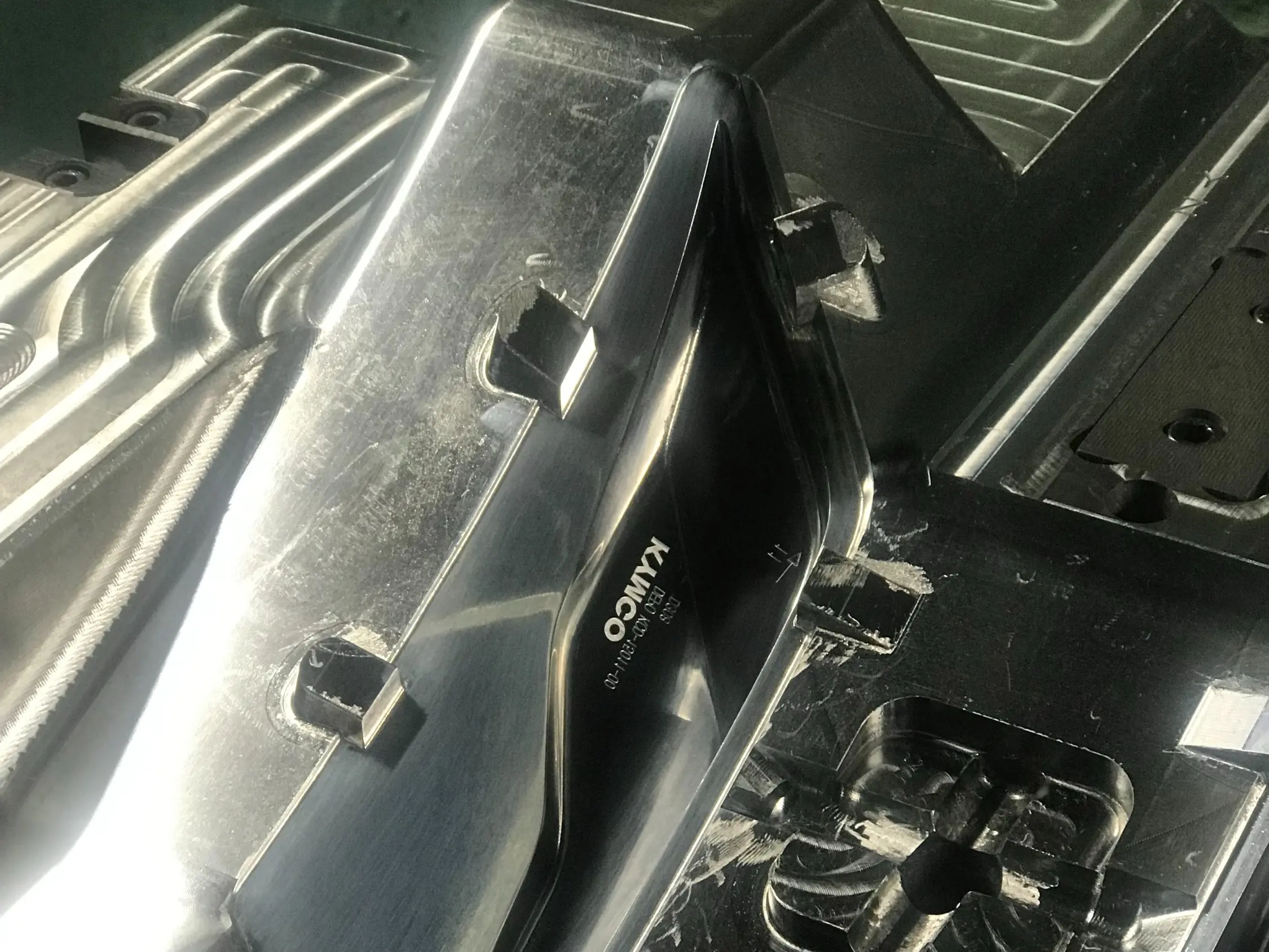
Compare the formed surface and outer rim of a documented LED lens tool when reviewing the smoked cover.
Compare 20 product concepts with documented tooling examples. Each card explains the relationship and links to the maker’s source photographs.
Compare the formed surface and outer rim of a documented LED lens tool when reviewing the smoked cover.

Use the convex LED diffuser cavities as a form reference. The table lamp dome needs its own wall and parting design.

Compare the separate diffuser samples and open tool when reviewing molding direction for the two windows.
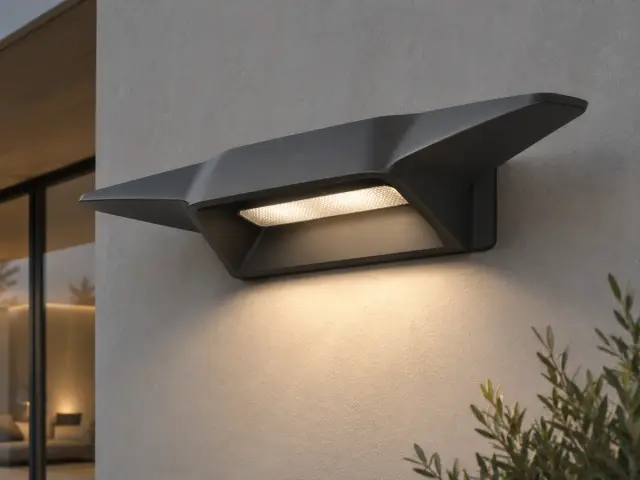
Use the published lampshade core and cavity arrangement to guide a split-part review of the recessed twin-wing cover.
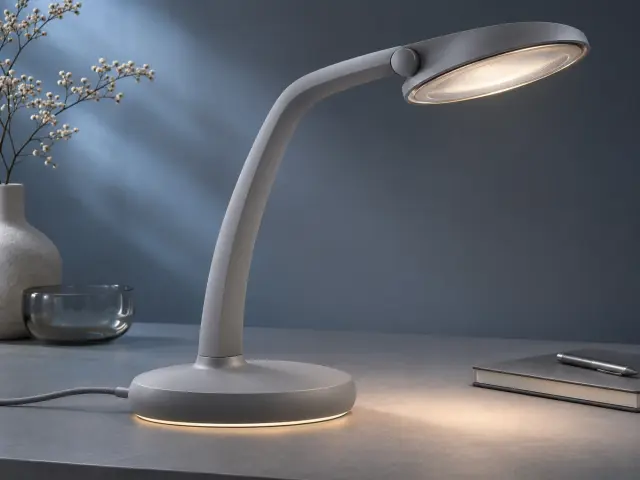
Compare the curved lens cavities for the optical face. The reading-light pivot requires separate design.

Use the polished automotive lighting cavity as a surface reference for the wide-ring diffuser.
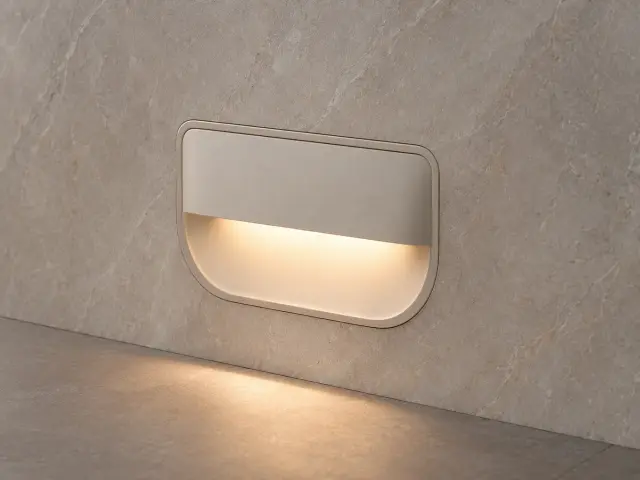
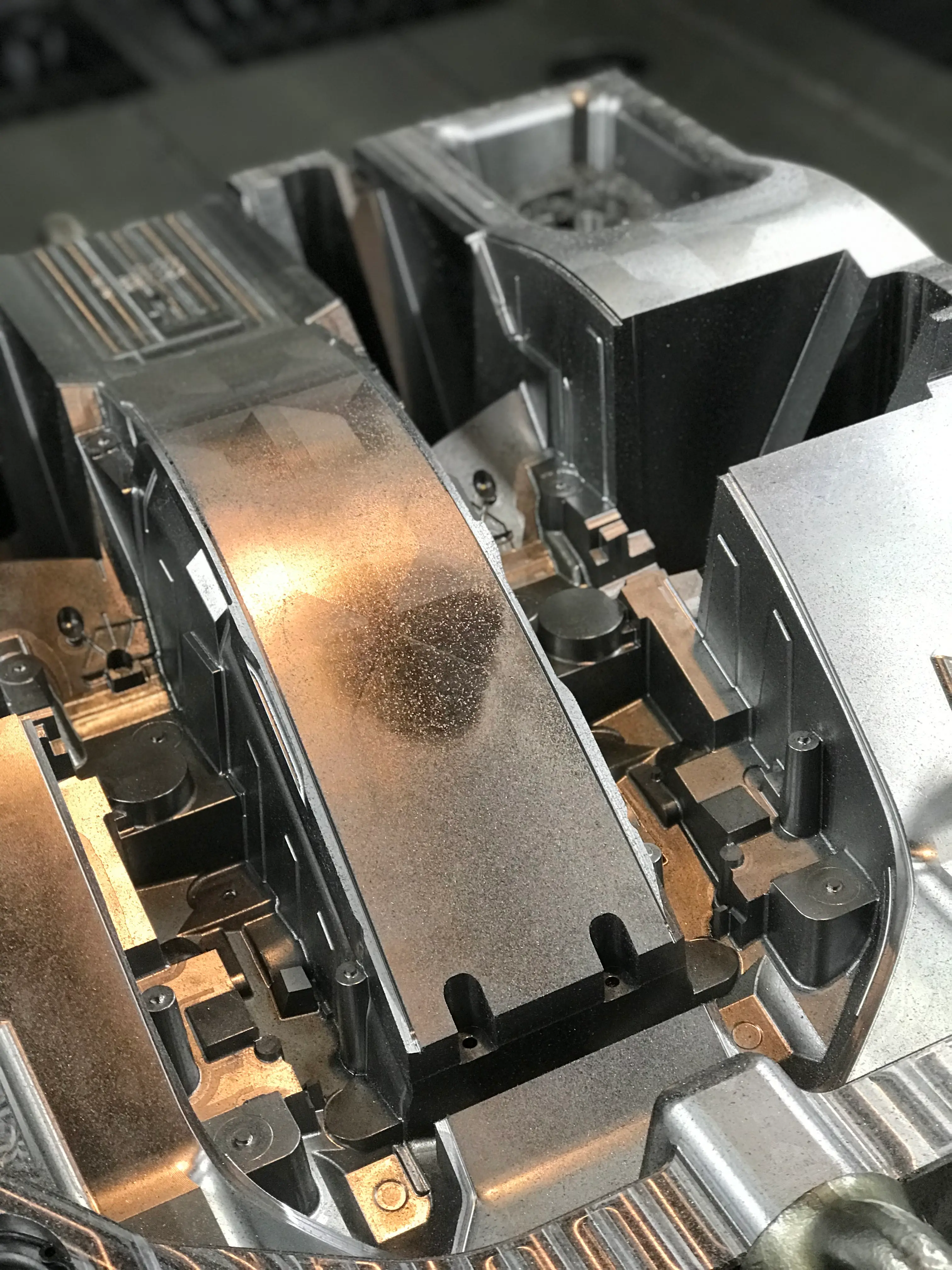
Compare the long formed surface in automotive lighting tooling when reviewing the side-emitting cover's draw direction.

Compare the separate light housing pieces and their tool. The two desk-lamp supports need individual review.

Compare the part split of compact LED lighting pieces. The triangular base remains a separate design.
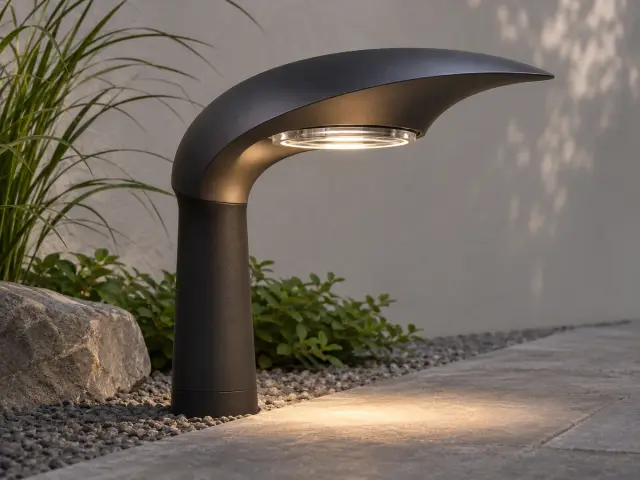
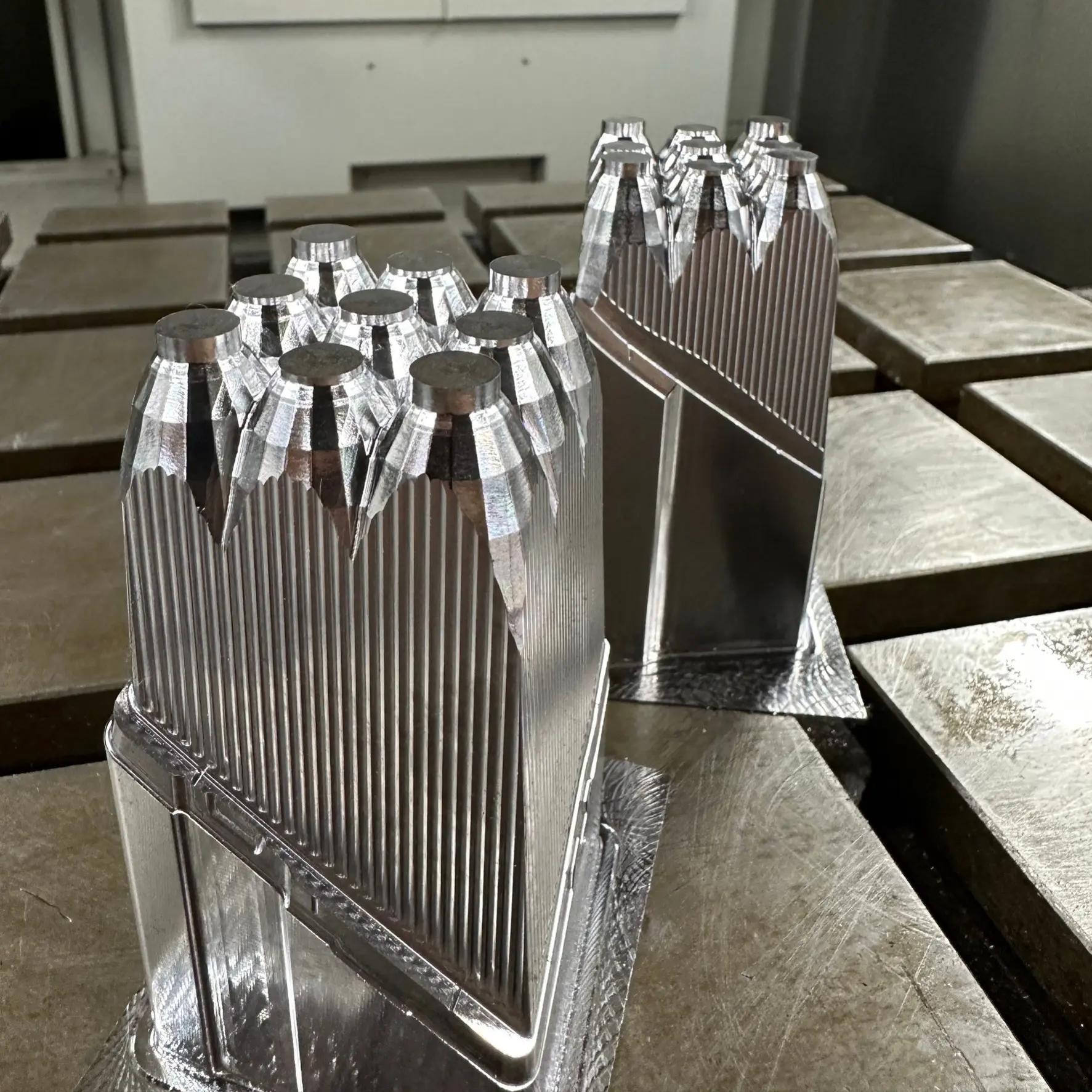
Compare the repeated polished LED diffuser cavities. The continuous ring lens needs its own tool design.

Compare the two housing shells, cavities and mounting tab from a documented solar motion light.

Compare the split outdoor light enclosure and open tool. Review the sloped cap and ground stake separately.
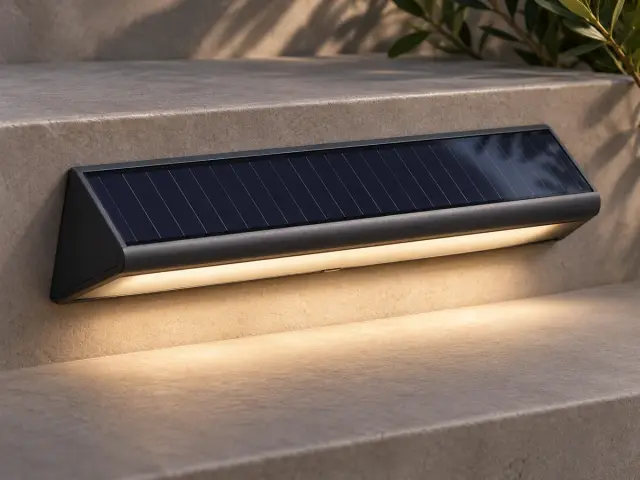
Compare the molded shell and cover split. Review the step-light prism's optical material and finish independently.

Use the shaped automotive lighting cores as a machining reference. The garden arch housing is a separate geometry.
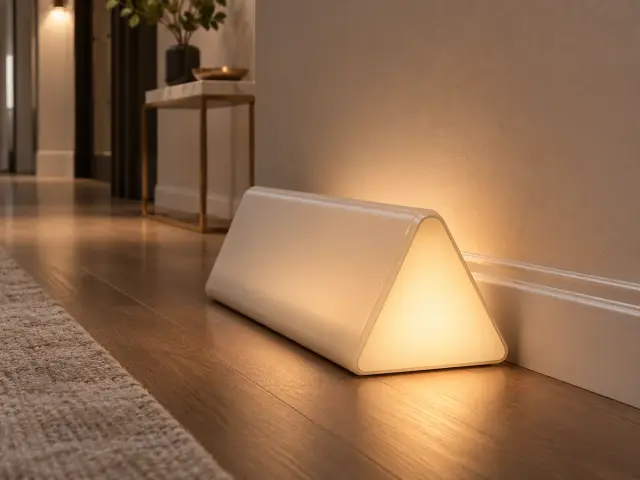
Compare the optical lens core and cavity arrangement. The night light's prism geometry still requires review.
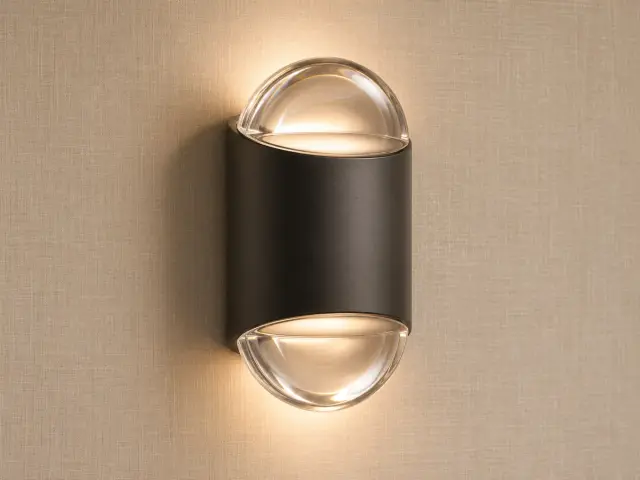
Compare repeated cavities in a light-cover tool. The two half-moon diffusers need their own geometry and finish review.

Compare the light housing and separate cover. The lantern's battery access and pull tab need their own review.
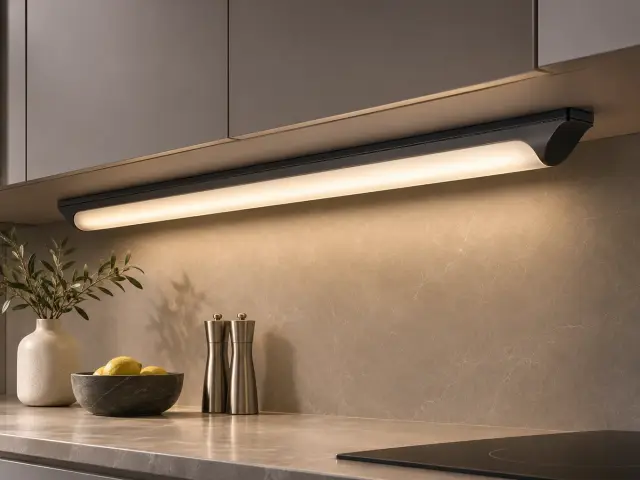
Review the tooling arrangement from a supplier's strip-light cover listing. Validate the rail interface separately.

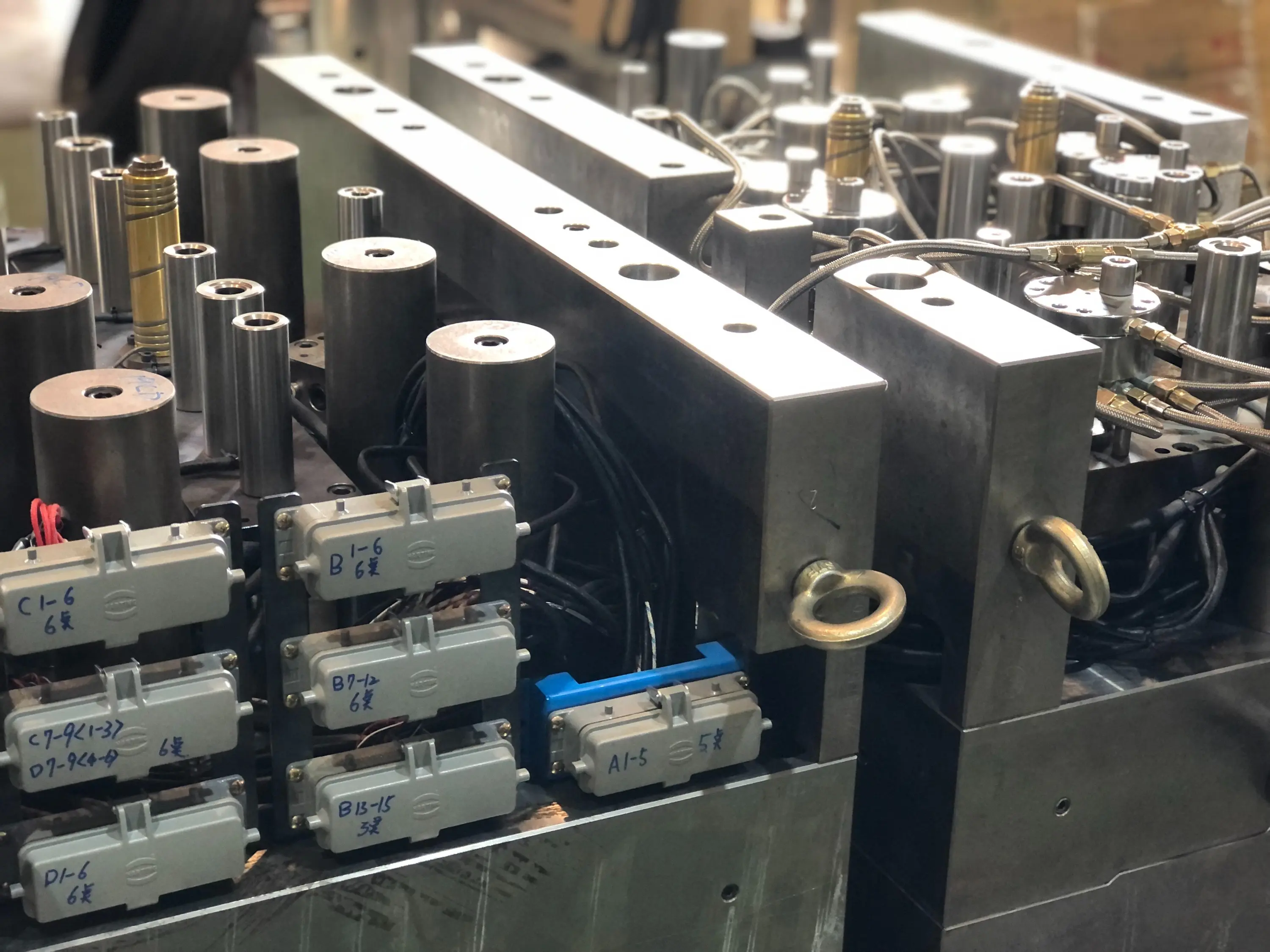
Compare the published automotive lighting tool assembly. Split the long wall-light housing and cover for its own geometry.

Compare the small mechanical component cavity layout. Design the bookshelf light's indicators and main body separately.